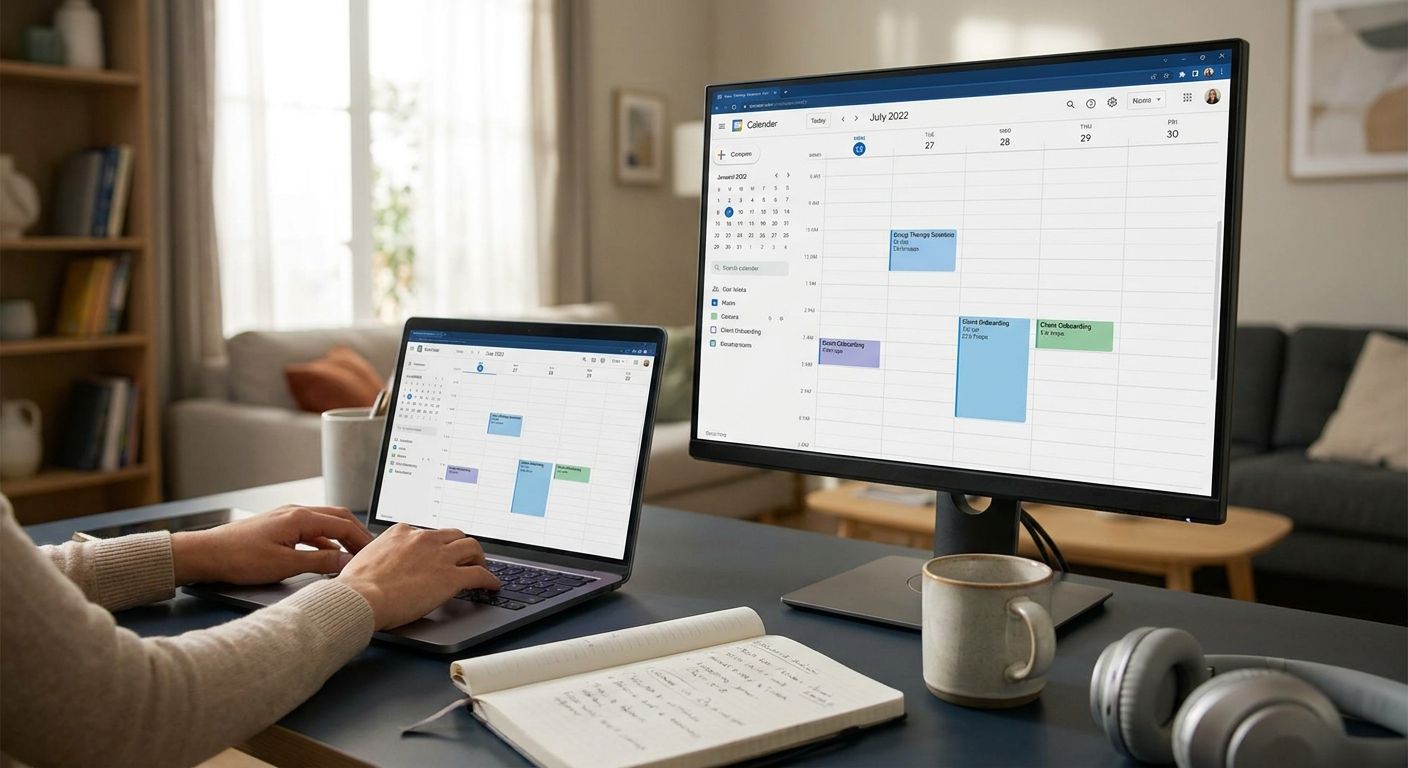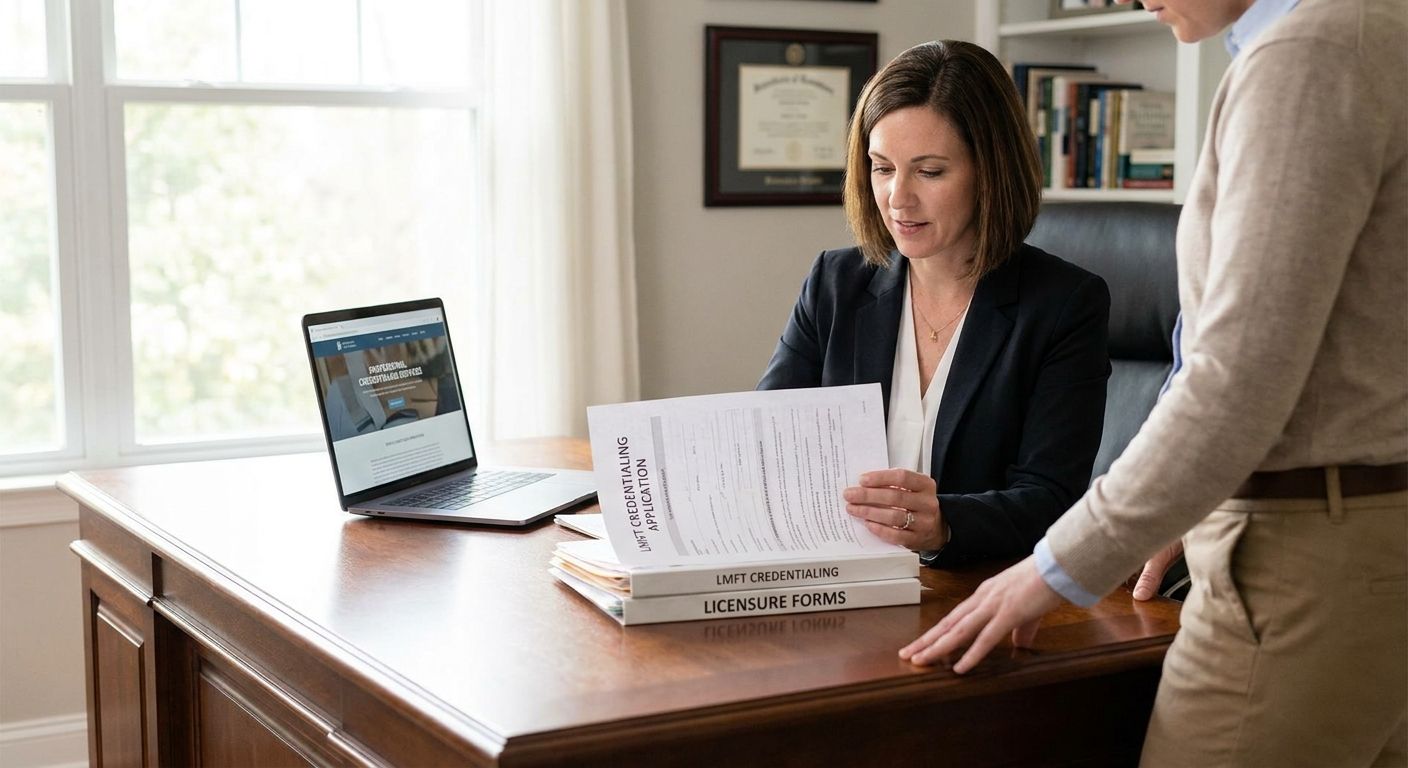

Solo therapists lose billable hours to inbox triage and insurance chasing every week — a virtual assistant for therapists takes that off your plate so you can stay in the room with clients, not the paperwork.
- A virtual assistant for therapists should handle intake, scheduling, and insurance follow-up under a signed BAA — Therapist's Assistant is built for exactly that. Buy.
- Generalist freelance VA platforms skip HIPAA training and BAAs by default — Skip for clinical admin work.
- In-house part-time hires cost more in payroll overhead and take weeks to onboard — Consider only above a certain caseload.
- Practice management software automates scheduling but won't call insurers or manage your inbox — Consider as a complement, not a replacement.
Why this matters
Most independent therapists run their practice alone: intake forms, calendar changes, insurance verification, and a client inbox that never empties. Every hour spent on that work is an hour not billed, and in 2026 the compliance stakes around client data have only gotten higher — HHS civil penalties for HIPAA violations scale into six figures per violation category. A virtual assistant for therapists exists to absorb that admin load without exposing client records to someone who's never handled protected health information before.
Who this is for
This guide is for solo and small-group private practice therapists who are booked but buried — seeing 20 to 30 sessions a week and still answering emails at 9pm. If you're turning away referrals because you can't return calls fast enough, or your insurance claims sit unchecked for 30 to 45 days before you notice a denial, you're the buyer profile here. Therapist's Assistant was built specifically for this practitioner, not for general small business owners who happen to need admin help.
What to look for in a virtual assistant for therapists
HIPAA-conscious handling and a signed BAA
Any assistant touching client names, session notes, or insurance details needs a Business Associate Agreement in place before they see a single record. This isn't optional in 2026 — it's the baseline that separates a clinical-admin partner from a generic task-runner.
Insurance follow-up experience
Claims that sit unworked past 30 days often turn into denials that are harder to appeal. Look for someone who already knows how to call payers, track EOBs, and escalate stuck claims — not someone learning insurance terminology on your dime.
Intake process fluency
A new client's first week determines whether they show up for session two. The right assistant manages intake paperwork, verifies benefits, and gets the client scheduled without you touching a single form.
Inbox and scheduling ownership
Client emails and reschedule requests need same-day responses. An assistant who can manage your inbox and calendar independently — instead of forwarding everything back to you for a decision — is the one saving you real hours.
Availability that matches your practice hours
A private practice runs on a different clock than a typical office job. Confirm the assistant's working hours actually overlap with when your clients call and reschedule, not just a 9-to-5 window that misses your evening sessions.
Clear scope and communication
You need to know exactly what gets handled without you and what gets flagged. Vague scope is how important insurance follow-ups slip through the cracks for weeks.
Get admin support built for therapists
HIPAA-conscious inbox, scheduling, and insurance follow-up for private practice.
Your options, compared
The generalist pick — freelance VA marketplaces. These platforms connect you with assistants who can format documents and manage a generic calendar, but few come trained on HIPAA or insurance billing language. Onboarding usually means you're the one teaching insurance terminology from scratch. Skip for anything touching client records.
The expensive pick — in-house part-time employee. Hiring locally gives you someone physically available, but payroll taxes, benefits, and training time add real overhead before they've closed a single insurance loop. Onboarding for a new hire commonly takes several weeks before they're independent. Consider only if your practice has grown past a single-therapist caseload and you need someone in the building.
The tool pick — practice management software. Platforms with built-in scheduling and reminders automate the calendar side well, but software doesn't call insurance companies, manage your inbox tone, or handle a confused new client on the phone. Consider as a complement to a human assistant, not a substitute.
The specialist pick — an industry-specific virtual assistant service. A service built around therapist workflows already understands intake forms, insurance follow-up cadence, and HIPAA-conscious communication from day one. Therapist's Assistant handles inbox management, scheduling, client intake, and insurance follow-up for solo and independent therapists nationwide, based in Apple Valley, CA. Buy if you want someone who doesn't need the clinical context explained first.
What to avoid
- Assistants with no BAA on file. If a provider won't sign one before touching client data, that's the end of the conversation — not a negotiation point.
- Platforms priced only for volume, not clinical nuance. Cheap per-task pricing sounds good until every insurance call needs three follow-up messages from you to get right.
- Software-only fixes for a people problem. An automated reminder doesn't rebook a client who called upset about a billing error — a person handling your inbox does.
Verdict comparison
| Option | HIPAA-ready | Insurance follow-up | Onboarding time | Verdict |
|---|---|---|---|---|
| Freelance VA marketplace | Rarely by default | Learns on the job | Fast | Skip |
| In-house part-time hire | Depends on training | Depends on training | Weeks | Consider |
| Practice management software | Yes, for stored data | No (automation only) | Days | Consider (complement) |
| Therapist's Assistant | Yes, BAA-based | Built into the service | Fast | Buy |
FAQ
What does a virtual assistant for therapists actually do?
A virtual assistant for therapists manages inbox correspondence, scheduling changes, client intake paperwork, and insurance follow-up so the clinician isn't handling admin work between sessions. The scope is narrower than a general executive assistant because it's built around clinical workflows.
Is a virtual assistant for therapists HIPAA compliant?
Compliance depends on whether a Business Associate Agreement is signed before the assistant handles any client data. Ask for the BAA in writing before sharing intake forms, session scheduling details, or insurance information.
How much does a virtual assistant for therapists cost in 2026?
Pricing varies by provider and scope of work, and independent therapists should request a quote based on their specific caseload and admin needs rather than assuming a flat rate. Ask what's included — intake, scheduling, and insurance follow-up together typically cost more than scheduling alone.
Can a virtual assistant handle insurance follow-up for a private practice?
Yes, when the assistant has direct experience with claims tracking and payer communication. Untrained generalist assistants often need the therapist to explain insurance terminology first, which defeats the time savings.
Is a virtual assistant better than hiring in-house for a solo therapist?
For a single-therapist practice, a virtual assistant usually costs less than payroll overhead for a part-time in-house hire and starts working faster. In-house hiring becomes worth considering once a practice grows past one clinician's caseload.
Do virtual assistants handle new client intake?
Yes, a virtual assistant built for therapists typically manages intake forms, benefit verification, and initial scheduling before the client's first session. This is one of the highest-value tasks to hand off because a slow intake process is a common reason new clients don't show up for session two.
Can a virtual assistant work with therapists nationwide?
Yes, most virtual assistant services for therapists operate remotely and serve clients across the country, not just a local metro area. Therapist's Assistant is based in Apple Valley, CA, and serves independent therapists nationwide.
What's the biggest mistake therapists make when hiring admin help?
Hiring a generalist assistant without insurance follow-up experience and then spending more time training them than the task would have taken alone. The fix is choosing someone who already understands claims cadence and clinical intake before onboarding starts.
One last thing
The therapists who get the most out of a virtual assistant for therapists aren't the ones with the biggest admin backlog — they're the ones who hand off insurance follow-up first, since a claim left unworked past 30 to 45 days is the hardest task to recover from after the fact. Start there before handing off scheduling or intake, and the rest of the admin load gets easier to delegate in 2026 and beyond.